
Key Takeaways
- Ukraine says its drones struck 20 Russian vessels in the Black Sea, but the claim and damage totals remain independently unverified.
- Earlier attacks and resulting restrictions have disrupted Sea of Azov shipping and fuel logistics serving Crimea.
- KSE Institute data shows that IG-insured tankers carry a large share of Russian Black Sea oil exports.
- The near-term industry signal is higher operational uncertainty, not a confirmed broad loss of oil supply.
By Christian Rosenblum
Managing Author
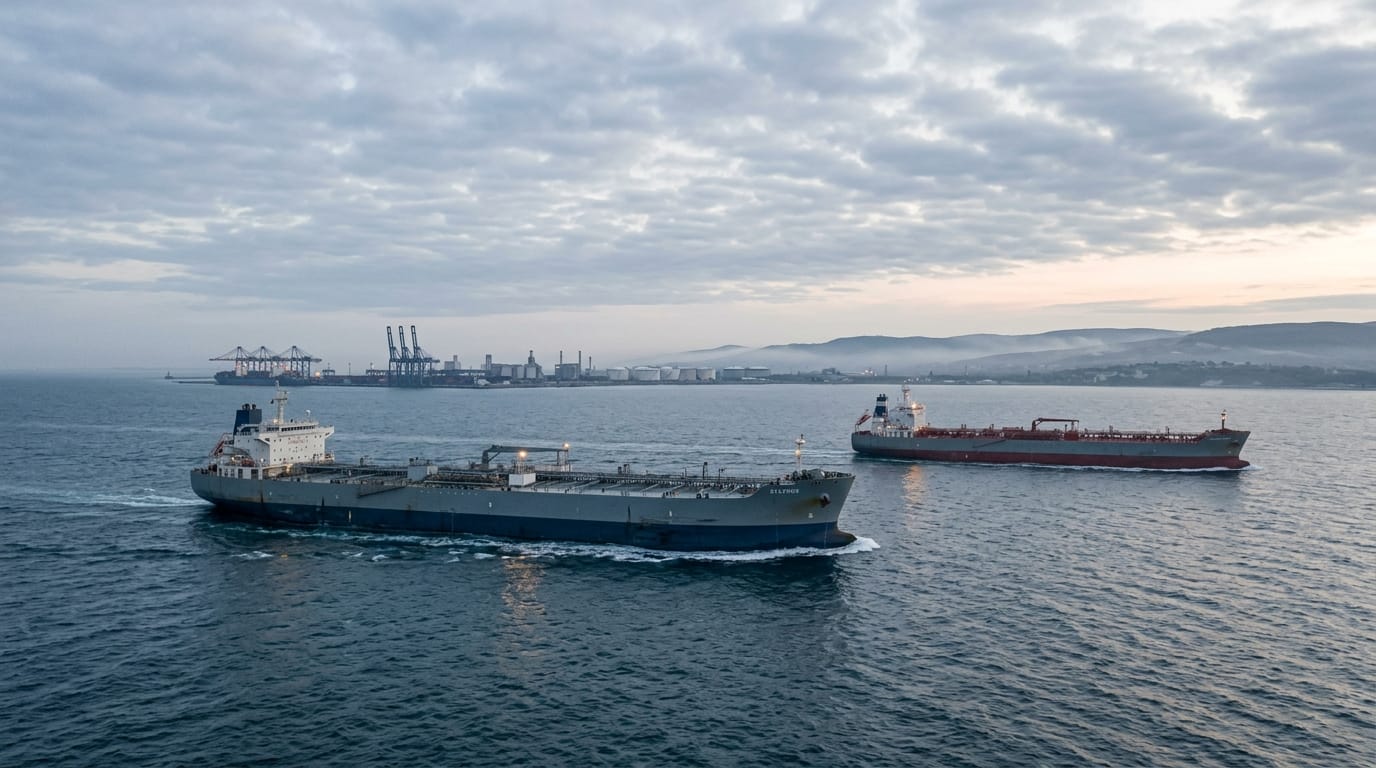
Ukraine's top drone commander said Ukrainian forces struck 20 Russian vessels in the Black Sea overnight, extending a maritime campaign that has already disrupted tanker and cargo movements in the neighboring Sea of Azov. The July 15 claim has not been independently verified, and Russia has not provided a vessel-by-vessel account of the alleged damage.
The development matters to oil and gas markets because the waterways around Crimea connect regional fuel supply routes, Russian petroleum shipping and Black Sea export infrastructure. For operators and traders, the immediate issue is less a confirmed loss of supply than a rise in uncertainty around vessel availability, routing and exposure to further attacks.
Ukraine Expands Its Maritime Campaign
Robert Brovdi, commander of Ukraine's Unmanned Systems Forces, said drones hit 20 Russian vessels in the Black Sea on July 15. In the same statement, he said 116 vessels had been struck in the Sea of Azov during July. Reuters reported the claims but did not independently verify the number of vessels hit or the extent of any damage.
The latest claim follows a series of attacks on smaller tankers serving Crimea. On July 7, Ukrainian forces said drones attacked a dozen vessels from Russia's so-called shadow fleet over two days. Reuters reported that eight of the vessels identified by Ukraine had deadweight capacity of roughly 7,000 metric tons each. The Sea of Azov is an important route for moving fuel to Crimea and other Russian-occupied areas of southern Ukraine.
Ukraine said those earlier strikes were intended to complicate fuel and ammunition deliveries. Footage released by the Ukrainian forces also could not be independently verified. A Reuters review of seven vessels initially identified in the July 7 attacks found that only two were under international sanctions, illustrating that the vessels operating in the region do not fit neatly into a single sanctioned-fleet category.
Shipping Restrictions Add Operational Friction
The campaign is already affecting commercial movement. Sources told Reuters that Russia restricted shipping in the Sea of Azov, a route that handles about one-quarter of the country's grain exports. Russia's agriculture ministry acknowledged that some exports could be diverted to other routes.
Earlier fighting produced conflicting damage reports. On July 11, the Associated Press reported that Ukraine's General Staff said 21 oil and petroleum-product tankers and seven other vessels were damaged in the Sea of Azov. Russian officials said only four ships were attacked. The disagreement reinforces the need to treat current strike counts as claims until shipping records, satellite imagery or vessel operators provide independent confirmation.
Why Black Sea Oil Shipping Matters
Black Sea ports remain a meaningful outlet for Russian crude and refined products. The KSE Institute's May 2026 Russian Oil Tracker, using April shipping data, estimated that tankers with International Group protection-and-indemnity insurance carried 71% of crude and 72% of oil products shipped from Russian Black Sea ports. The report estimated that Black Sea crude exports changed little from March and were 2% lower than a year earlier, while oil-product exports rose 23.4% month over month and were 2.4% lower year over year.
Those figures do not show that the July attacks have reduced exports. They do show why any sustained disruption could reach beyond the smaller vessels supplying Crimea. A prolonged rise in physical risk, port restrictions or voyage delays could affect scheduling and the willingness of shipowners and insurers to support Black Sea calls. The scale of any effect will depend on confirmed vessel damage, how long restrictions remain in place and whether cargoes can be rerouted.
What Oil and Gas Operators Should Watch
The first indicator is independent vessel-status data. Confirmation that tankers are out of service would provide a firmer basis for estimating lost carrying capacity. The second is port and channel access, including whether restrictions in the Sea of Azov ease or spread. The third is any change in freight, insurance or compliance requirements for ships calling at Russian Black Sea ports.
For now, Ukraine's reported strikes represent a material escalation in maritime risk, not proof of a broad oil-supply outage. The distinction is important: operational uncertainty is rising, but the market impact cannot be quantified reliably until the strike claims and vessel conditions are independently confirmed.
Frequently Asked Questions
Were 20 Russian vessels confirmed damaged?
No. Ukraine's drone commander reported 20 strikes, but Reuters said it could not independently verify the claim or the extent of damage.
Why does the Sea of Azov matter to oil and gas shipping?
It is a regional route for fuel deliveries to Crimea and other occupied areas, while the connected Black Sea is an important corridor for Russian crude and petroleum-product exports.
Have the attacks reduced Russian oil exports?
No reliable post-strike data yet establishes an export decline. The immediate effects are shipping restrictions and greater operational uncertainty.
Written by
Christian Rosenblum
Managing Author