Key Takeaways
- Europe currently imports roughly 60% of its energy, which Lagarde labels 'unsustainable.'
- Eurozone inflation jumped to 3% in April 2026, driven by a 10.9% spike in energy costs.
- The closure of the Strait of Hormuz is acting as a primary catalyst for the current 'Greenflation' shock.
- Spain and Portugal are being cited as models for how high non-fossil fuel shares can insulate economies from gas price spikes.
- Investors should prepare for potential hawkish moves from the ECB in June to combat energy-driven inflation.
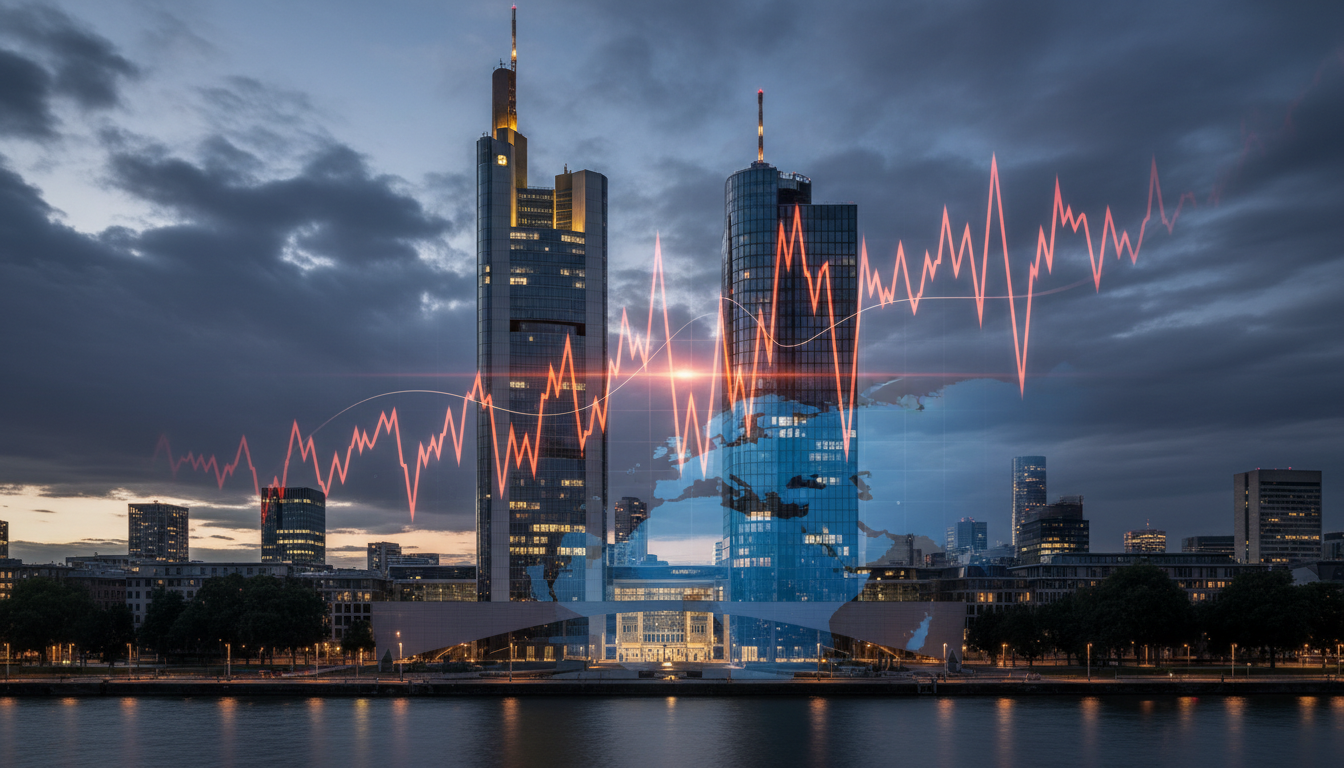
In a pointed address at the "Climate, Nature and Monetary Policy" conference in Frankfurt this week, European Central Bank (ECB) President Christine Lagarde delivered a sobering assessment of Europe’s current energy architecture. Calling the continent’s 60% reliance on imported fossil fuels "clearly unsustainable," Lagarde framed energy security not just as a geopolitical concern, but as a direct threat to price stability and economic sovereignty.
The 'Hormuz Shock' and the Cost of Dependency
The timing of Lagarde’s remarks is no coincidence. As the conflict in the Middle East escalates and the Strait of Hormuz—a chokepoint for 20% of global oil and gas—remains effectively closed, the Eurozone is feeling the squeeze. Energy costs spiked 10.9% in April 2026 alone, driving headline inflation to 3% and complicating the ECB's path toward interest rate cuts.
For the Fox Energy community, this is a narrative we have watched closely. The vulnerability of European markets to external supply shocks is currently at its highest point in decades. Lagarde argued that this dependency creates a "stagflationary risk"—where growth slows while inflation remains stubbornly high—forcing the central bank into difficult hawkish positions.
Greenflation vs. Insulation
One of the most interesting takeaways from the conference was the data presented by ECB Chief Economist Philip Lane. Lane highlighted a growing divergence within Europe: nations like Spain and Portugal, which have aggressively integrated nuclear and renewable energy into their grids, have been significantly better "insulated" from the recent natural gas price surges.
However, Lagarde warned against "green partisanship," noting that the transition has lost political momentum just when it is needed most to ensure long-term stability. For investors, this signals a volatile but necessary shift in where capital will flow—away from external reliance and toward domestic infrastructure and diversified energy mixes.
What This Means for Energy Investors
The ECB is currently caught between a rock and a hard place. With the June 2026 rate decision looming, the surge in energy-driven inflation might force Lagarde’s hand to hike rates, despite fragile GDP growth across the bloc.
At Fox Energy, we believe the takeaway is clear: the "price signal" Lagarde mentioned is a call for more disciplined, domestic-focused energy investment. While governments are tempted to offer broad subsidies to quieten public unrest, those subsidies often mask the underlying scarcity. The real opportunity lies in the structural transition to a more resilient, self-sufficient European energy grid.
Source Block
- Primary Source: ECB President Christine Lagarde’s Speech at the "Climate, Nature and Monetary Policy" conference (May 5, 2026).
- Economic Data: Eurostat April 2026 Inflation Report (3% HICP).
- Geopolitical Context: Reports on the Strait of Hormuz blockade and Middle East supply disruptions.
Frequently Asked Questions
Will the ECB hike interest rates in June 2026?
Why is the Strait of Hormuz so critical to European energy?
What does 'Greenflation' mean in this context?
Written by
Christian Rosenblum
Managing Editor